Lockout Tagout Programs
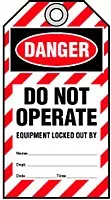
A Lockout/Tagout program is a series of safety procedures designed to protect employees from injury while on the job. Lockout tagout procedures are an essential part of OSHA’s safety regulations, which were established to make American workplaces safe and accident-free. Consequently, many other countries have adapted similar safety systems.
A Lockout/Tagout program marks devices that are either under repair, being refurbished, or otherwise unsuitable for use. The program designates certain machines as unusable, and appropriate tags are accompanied by lockout devices that prevent accidental start-up or use.
Very often, the lockout system involves physically locking the equipment's power sources so that it cannot be activated, and tagging the locks to indicate that Lockout/Tagout has taken place — and often who is responsible for the lockout. As long as equipment is locked and tagged, it is safe to perform repairs and maintenance because there is no chance the equipment will be accidentally energized. Using this system drastically decreases the risk of injury everywhere from the factory floor to the high-tech physics lab.
Lockout/Tagout tags may also physically isolate, secure, or block machines or equipment from their energy source through the use of a warning safety tag attached to a lock, adapter pin, chain, key block, or other hardware.
Lockout/Tagout safety tags safeguard against unexpected or unwanted functioning or start-up of dangerous machinery and equipment, or the release of hazardous energy during service or maintenance activities. In general, any organization that uses machinery in its business is bound by OSHA standards. This applies to all equipment — electrical, mechanical, pneumatic, hydraulic — and includes any other type of machine in an industrial environment.
According to OSHA's safety regulations, lockout tags must be legible and contain words such as “Do Not Start,” “Do Not Open,” “Do Not Operate,” or similar warnings. Lockout tags must be easily seen and securely attached on or near the energy source. Generally, the tag is affixed to a padlock or key-type lock. Some lockout/tagout devices actually lock the power cord into a box that only a key can open.
In order to perform an effective lockout procedure, machines must be shut down according to the manufacturer’s specifications. Once the machines have been shut down, the energy source must be disconnected. After the electrical supply is disengaged, apply the appropriate lockout tag to the power supply. The tag will remain in place throughout the repair or maintenance.
Lockout tags enable you to implement procedures and safe work practices and prevent the release of potentially hazardous energy while maintenance and servicing activities are being performed. These safety tags provide maintenance status at a glance, ensuring a safer working environment.
The Safety Factory offers a wide selection of lockout tags that are ideal for any size and type of facility. You can choose from standard lockout safety tags or custom tags designed specifically for your facility.