5 Types of Signs and How They Improve Workplace Safety
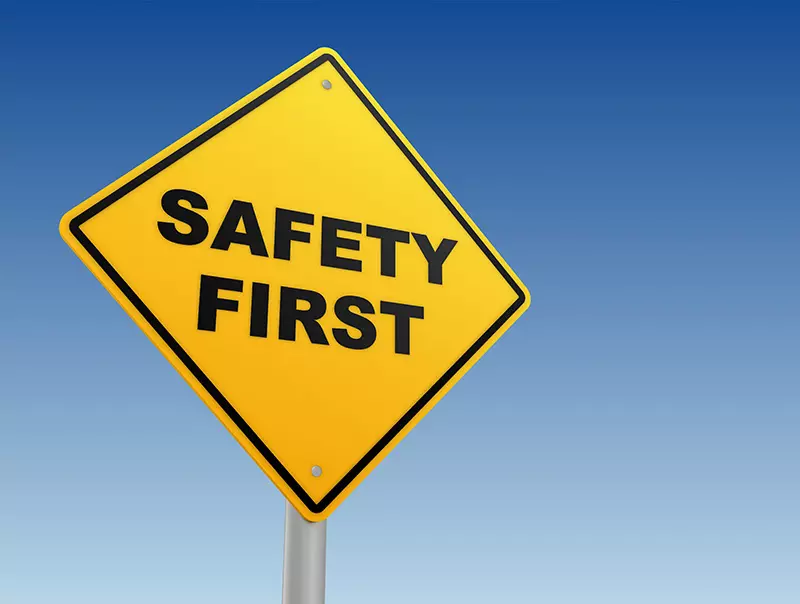
Safety signs may be considered one of the most basic and
fundamental forms of safety equipment. For over 100 years, safety signs have
been encouraged or required in specific parts of the workplace, spelled out in
the primary language(s) of the workers. They save thousands of lives every year and
continue to play an important role in preventing injuries in the workplace.
In 1941, standards for safety signs were introduced by the American Standards
Association (later to become ANSI). These standards introduced formats for
DANGER, CAUTION, NOTICE, and EXIT signs, to name a few. While many aspects of
those early standards still hold today, globalization now has more of an
effect. In 2007, ANSI published guidelines that coordinated with ISO label
formats, ushering in a new era of global best practices in safety signs for the
workplace.
Why Safety Sign Regulations and Customization Exist
As important as regulations and standardization are for safety signs,
customization is also critical. Customization of safety signs is often needed
for facilities to comply with state and local laws, such as those that regulate
smoking and firearms. In these cases, wording on signs must be specific, so
sign makers must be prepared to customize signs for their clients.
Customization also allows individual companies to tailor their safety messages
based on specific hazards in their facilities. If a facility has unique
features that need to be called out on safety signs, this can be done, as can
the addition of company brand colors and logos to give signage a consistent
look throughout a facility.
Here are 5 important types of safety signs and how they improve workplace
safety.
Electrical Signs
In addition to lighting, office equipment, and other electrical appliances in
the workplace, many workplaces have on-site transformers and other electrical
products that require careful attention to safety practices. Over 30,000 workers have been injured in workplace electrical
accidents over the past decade. Whether they alert workers to high voltage or
inform them of lock-out tag-out requirements, electrical signs have a
significant role in workplace safety.
Operational Signs
Operational signs warn of a variety of workplace safety hazards, from hot
surfaces to valves that shouldn't be operated to pinch points to places where
hands must be kept back. It's possible that you have a unique safety hazard in
your facility and require a customized operational sign. Those can be made too,
so your workers are clearly informed about specific hazards relevant to their
actions.
Hazardous Materials Signs
Hazardous materials signs inform workers about the presence of acids, corrosive
substances, asbestos, and many other dangerous materials and materials around
which caution must be used. These safety signs can also inform people about
requirements for wearing gloves and safety goggles, and can be customized to
reflect the exact hazardous materials present in your workplace.
>Fire-Fighting Signs
There's a reason workplaces hold fire drills, and that's because, while
prevention of fires is best, facilities must be quickly evacuated should a fire
occur. Preventing fires may be a simple matter of warning workers about fire
hazards, or where they cannot use an open flame. Explosive materials, gas, and
liquid oxygen are all fire hazards and must be clearly identified, along with
the appropriate precautions that must be taken.
No Smoking Signs
The smoke-free workplace makes sense, and most people know not to light up
indoors. However, depending on state and local laws and the type facility you
operate, no-smoking zones surrounding buildings and facilities are sometimes
mandated as well. Though OSHA doesn't have specific regulations about smoking
in the workplace, it does limit exposure to carbon monoxide, nicotine, and
other chemicals in cigarette smoke, so no-smoking signs are appropriate in many
places on your work campus.
Safety signs may be simple, but they work and have worked for over a century in
improving workplace safety. They reduce accidents and save lives by providing
early warnings and alerts to workplace hazards. While safety signs must
meet OSHA specifications, they
can also be customized to your facility. If your safety identification system
hasn't been updated recently, perhaps a third-party audit of your safety signs
is in order. With the help of an expert, you can reduce visual clutter so
safety messages get through more clearly, and create consistency of design
throughout your facility, improving regulatory compliance and making your
workplace safer. If you would like to learn more, we invite you to contact us at any time, or explore safety signs
further on our blog.
Recents Posts