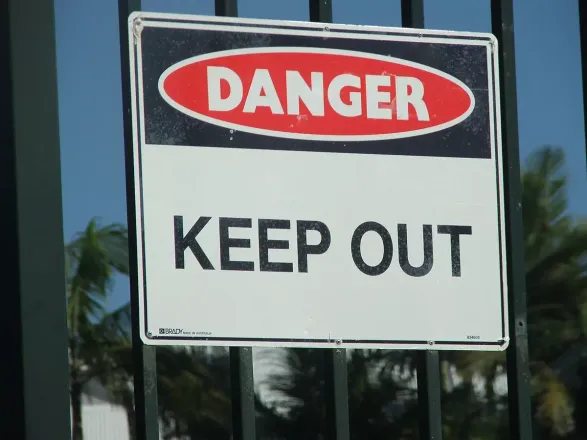
American Made Hazardous Material Signage for the Great American Worker
By the time an employee feels the burn of a corrosive material or inhale the first gasp of noxious fumes, it is too late. As an employer it is your responsibility to look out for the welfare of your employees, and when an injury occurs the moment to take proper precautions has passed. More often than not, workplace injury debriefings typically reveal something both an employer and employee could have done better to prevent the injury. Lessons learned are applied to the future. What you do not want to see in an injury debriefing is that you as the employer failed to take the most basic precaution available.
continue reading
Preparing for the Worker Injury is Leadership at it’s Finest
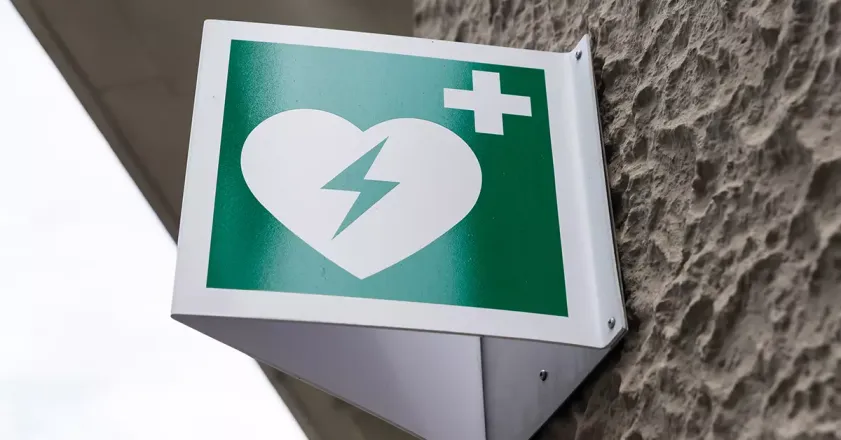
When a worker becomes injured at work, it is easy for panic to become commonplace. That’s panic among the frontline employees who may have witnessed the injury as well as panic among leadership who have a natural obligation to do something. Not to mention, the injured employee has a reasonable right to a certain amount of panic themselves. That’s why leaders have to be prepared for the worst, though they work diligently to prevent worker injury. That’s why adding appropriate signage to warn of danger as well as direct panicked employees towards life saving equipment is essential. The “fog of war” as they call it can cloud the mind and make otherwise normal decisions very difficult. By adding a little signage, you can cut through the fog and potentially save another’s life.
continue reading
Looking Out for Your Employees with Personal Protection Signage
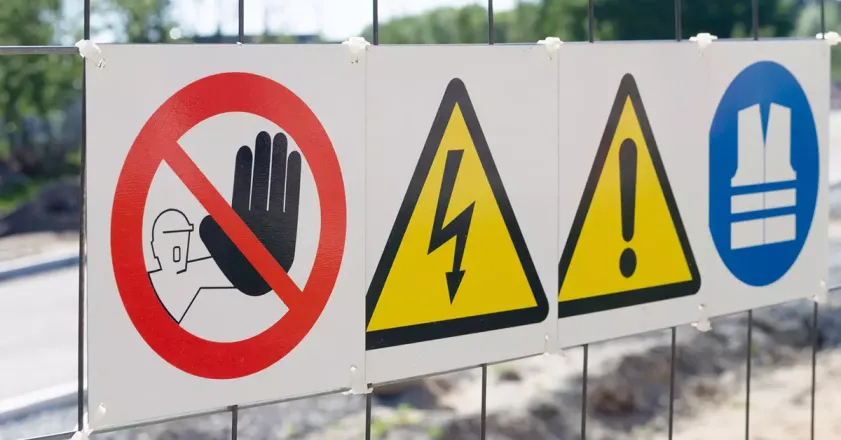
It can often be said that a good process will save your best employee on their worst day. All employees make mistakes with some just heading down that road a little more often than others. Many times the patterns of behavior exhibited by the troublesome staff are clear reasons for termination. However, what does an organization do when one of your stellar employees makes a costly decision that puts both life and profit at risk?
continue reading
Finding a Safety Sign for Every Season in the Workplace
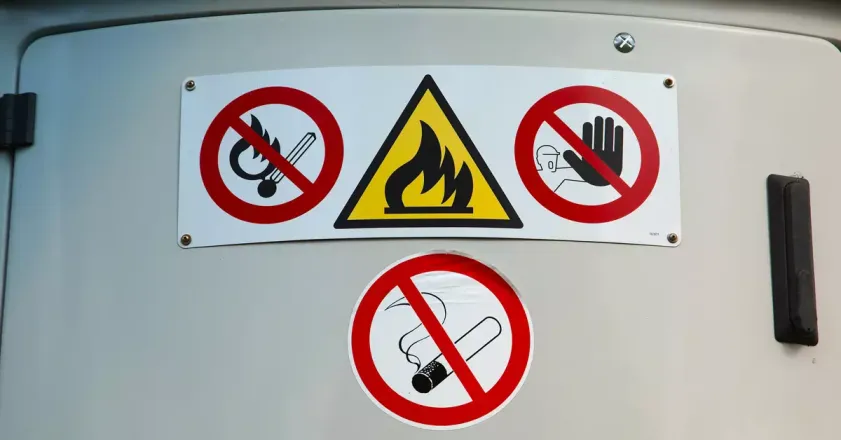
It has long been said that there is a time and a season for everything that takes place under the sun. A time to plant and a time to reap. A season to labor and a season to rest. Fortunately for the great American worker, we spend our time trying to envision every season of danger that might threaten the workplace. The threats are many and they come in a variety of different forms. Fire, electricity, water, chemicals and good old fashioned machinery in action hold the potential to cause great harm. That’s why appropriate signage can serve as the first line of defense when a lack of training or common sense comes into play. It might sound simple, but don’t underestimate the value a good sign in the right place at the right time.
continue reading
Why Protecting Your Employees is a Leader’s First Priority
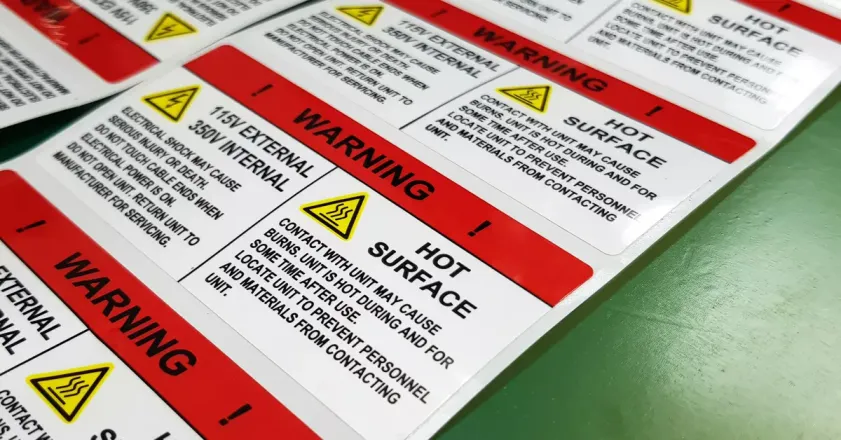
The United States Marine Corps has two leadership principles that guide its operations. Ranked first and taught to all leaders is “mission accomplishment.” This, above all other priorities, is to be pursued. That’s why Marines storm the beaches of Iwo Jima or slug away from house to house in the streets of Fallujah.
continue reading
Find the Right Workplace Sign for Every Setting under the Sun
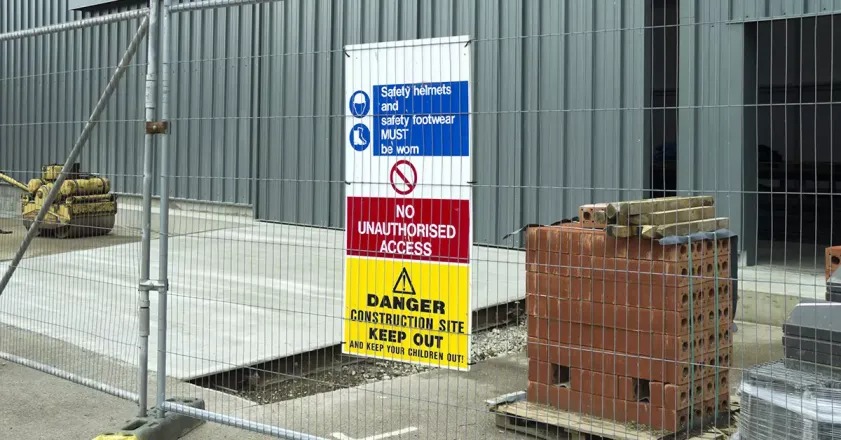
Not every measure of good judgement in the workplace has to be dictated by OSHA. There are times when a good measure of common sense would do just fine and as such, OSHA doesn’t dictate every action under the sun when it comes to the workplace. That’s why we have a huge demand for workplace signage that speaks to the commonsense needs around you every day. One of the biggest needs facing the workplace revolve around simply keeping the earth a little greener each day.
continue reading
There is No Such Thing as “Too Safe” in the Workplace
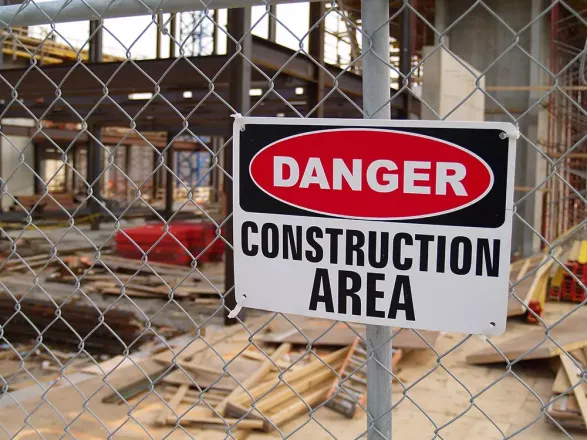
There are two types of industrial workplaces when it comes to safety. There are those who look at the OSHA guidelines and think to themselves, “good enough.” Then, there are those who look at their employees, their families and the future ahead of them and think, “not good enough” when it comes to their safety. Beyond a legal obligation enforced by OSHA, good employers have a moral obligation to do everything in their power to send their workers home in one piece at the end of a shift. That’s why personal protection required signs matter. They matter because the lives of your employees matter and there is no such thing as “too safe” in the workplace.
continue reading
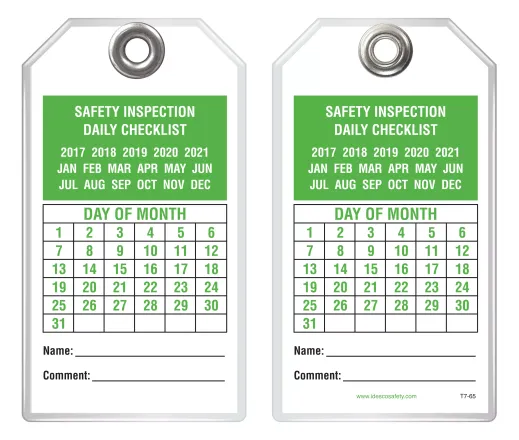
An Operational Safety Tag for Every Danger Under the Sun
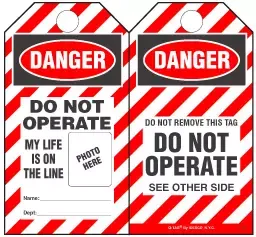
Each industry comes with it an implicit list of dangers that have in times past caused bodily harm and even death. Fortunately for the modern American worker, we have the ability to learn from these past mistakes and take every effort to mitigate risk going forward. Not to mention the fact that OSHA demands we do and running afoul of OSHA is a less than pleasant affair. Seizing upon these past lessons, we here at The Safety Factory have created pre-written operational safety tags for just about every danger under the sun.
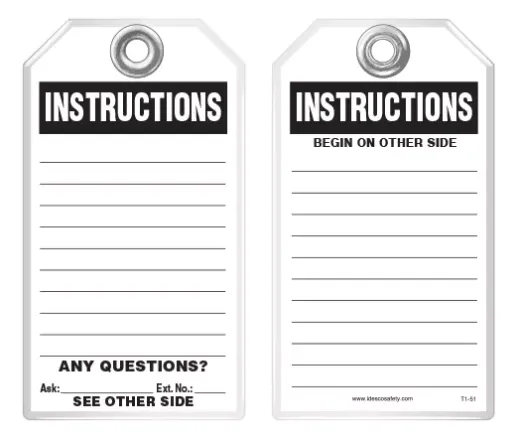
Protecting Your Employees from Unforseen Threats with All Purpose Safety Tags
The modern American workforce has done a pretty good job of predicting and addressing the most common threats to worker safety. Certainly accidents happen and in some industries they are more prevalent than others. That being said, the past 100 years has been virtual revolution for worker safety. The Occupational Safety and Health Act of 1970 created the Occupational Safety and Health Administration for the expressed purpose “to save lives, prevent injuries and protect the health of America’s workers.” OSHA, as the are more commonly called, is serious about its mission. To run afoul of OSHA as an employer is to gift yourself a really bad day. However, to watch one of your employees suffer injury that could have been prevented is the worst. You know about many of the threats facing your team and yet, it is the threats you have yet to foresee that keep you up at night.
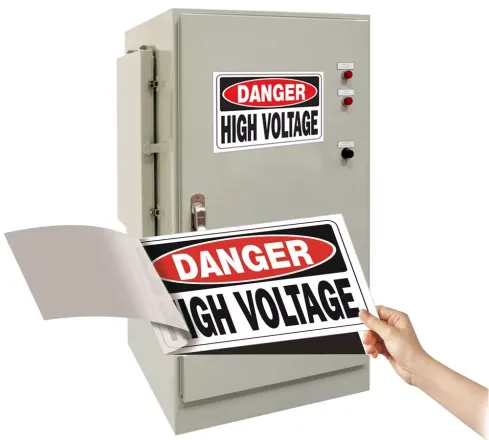
From Magnets to Mirrors: Making Your Workplace Safe Again
In the field of industry, there is a phenomenon known as practical drift. Policy dictates a process be completed a certain way, but on the front line where the real work is done employees tend to show new employees a “better way.” What happens then is that real time operations deviate from established safety protocols and the scope of the problem is only discovered after a tragic accident. Sadly, it is an accident that could have been avoided had managers not assumed policy and protocol was being followed on the front lines. If you fear that might be your organization, then take a look at two of the most commonly overlooked safety feature solutions we offer. From magnets to mirrors, we’ll show you what it takes to make your workplace safe again.
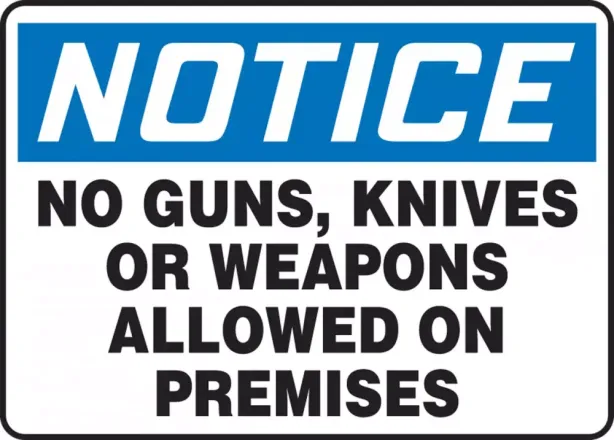
Invest in Some Common Sense with Safety and Security Signs
There is an unspoken contract one has with mayhem when it comes to investing in the safety and security and those around you. Namely, pay me now or pay me later, but you will pay me. If you are trying to save a few bucks by forfeiting your responsibility to post some common sense signage for the day mayhem shows up at your workplace or school then you will pay big. Not to mention a great deal of safety and security signage is required by the federal government who won’t mind dropping a big fine on you as well. Posting appropriate signage to warn of dangers or direct others to safety is one of the most common sense safety measures an organization can take. If that’s your responsibility then don’t fret. We’ve got you covered with just about any sign you can imagine.
How Do I Improve Facility Safety with Proper Security Signage?
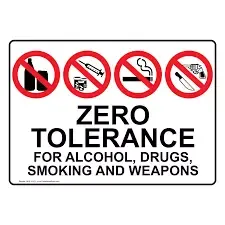
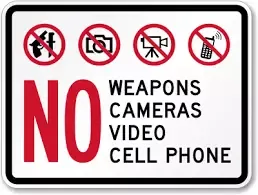
When launching a business, you want to make sure your customers know you take their safety and security seriously. Especially after the past few year's Pulse Nightclub shooting, London Bridge violence and San Bernadino workplace bloodshed, the increase of violence has people on edge. When walking onto my daughter's school campus, I now take note of signs indicating I need to sign in at the office, and I sleep more soundly knowing safety procedures are in place. Just last weekend, my family and I visited the US National Whitewater Center, and our visit was smooth, should I even dare to say - it flowed well (pun intended) because of the signage. We knew where to go, that weapons of any kind were not allowed (and they checked bags too), but unlike our recent theatre experience, cameras and cell phones were permitted, even encouraged if they were waterproof!
What are Some Key Guidelines for Correct Safety Signage in the Workplace?
Imagine this scenario: A worker is badly injured on your job site. Not only is this a tragic event for the worker and his or her family, it’s also a huge risk for a lawsuit that could have debilitating fiscal ramifications for your company.
Fortunately, correctly designed signage can go a long way toward preventing injury and even death in the workplace. But how can you know that the signs you are posting are compliant with the standards set by Occupational Safety & Health Administration (OSHA) and the American National Standards Institute (ANSI)? Here’s how to be sure that the safety signage you are posting is doing its utmost to help prevent injury or death:
Durable Security Signs Offer Clear Notices and Convenience
Workplace, industrial, transportation, commercial, and public-space security is increasingly important in our complex world. Highly mobile societies and international commerce move quickly and depend on security standards and communication that enable public safety, sound commercial relations, efficiency, and reliability. Properly and clearly communicating about workplace and public-space security rules, standards, permissions, requirements, etc. is a subject for regulatory agencies worldwide. It’s also – for better or worse – a subject of intense lawyer-class scrutiny.
continue reading
A Sign Can Save Lives
Going out to a nightclub is supposed to be an occasion of joyful celebration, full of the promise of meeting new people, dancing, laughing and blowing off some steam with friends. However, in the aftermath of the shooting at the Pulse Nightclub in Orlando, Florida, what began as a night of fun ended in tragedy.
Sadly, the last century has seen some of the deadliest nightclub and assembly fires known to man. Many were the result of attendees getting trapped inside of buildings where they were gathered to hear music and socialize during the prohibition and post prohibition era. The deadliest of these disasters was the fire at Boston’s Cocoanut Grove Theater –the second worst single building fire in American history (second only to the Iroquois Theatre fire). The space was over its authorized capacity by 32 people, and they all lost their lives to the deadly blaze. The enormity of the event was so shocking that it briefly replaced the news of World War II in papers, and it led to a reform of safety standards and codes across the country.