Locking Out Valves During Maintenance
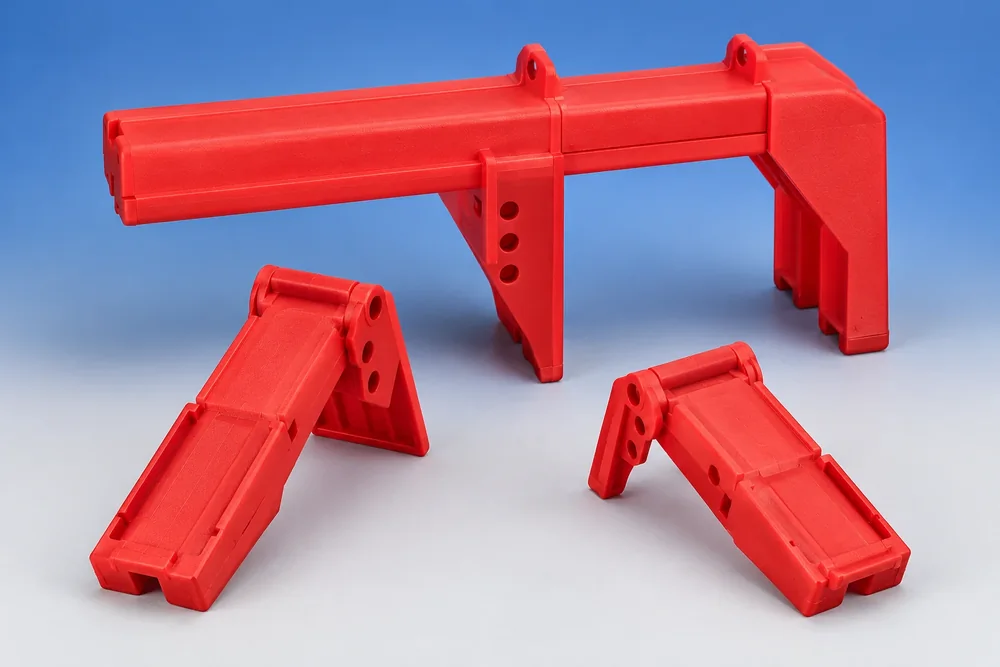
A number of various chemicals, hot or cold water as well as steam can cause serious injury to a worker performing maintenance. Under OSHA 29 CFR 1910.147, covered servicing and maintenance requires hazardous energy to be controlled under an employer's energy-control program; select lockout or permitted tagout as applicable. To help satisfy that requirement, devices have been developed to insure that both liquids and gases are securely locked out.
Ball Valve Lockouts are engineered in such a manner so as to lock the valve handle in the OFF position with no way for it to be turned back on once the device is applied. Gate Valves are secured using a pair of “half-moon” covers that surround the valve and prevent someone from moving the wheel which has been locked tightly closed. Cylinder Valve lockouts prevent access to the main valve handle on a gas filled tank. Cylinder Valve Lockout devices also satisfy Department of Transportation (DOT) regulations as well.
Lockout devices for Butterfly valves lockout equipment by securing the pivot point of the device. This prevents any movement at all of the valve. Pneumatic Disconnect Lockout Devices lock out the male pneumatic fittings preventing the emission or escape of compressed air.
Universal Valve Lockout Devices are becoming very popular. That is because one device has a number of options for locking out many different types of valves and different sizes as well. So it is not necessary for workman working on valves to have to work with a large inventory of many different types of valve lockouts when selected for the equipment and the employer's energy-control procedures. Select the valve lockout, padlock and warning message for the equipment and the employer's procedures; no single retail valve-tag phrase establishes compliance.
There is a clause in the Lockout:Tagout regulation regarding what is known in the trade as “Hot Tapping.” This is a method for creating an opening to make a repair in a pipe while it is still operating and maintenance is being performed. This is done when it is not feasible or it is impractical to have the equipment taken out of service as it will interfere with the overall production taking place in the plant, to the point that it will likely cause more harm than good. However, Hot Tapping procedures are reviewed carefully, must be determined to be absolutely appropriate and must follow strict safety guidelines.
Recents Posts
