Lockout Devices and Hazardous Energy Control
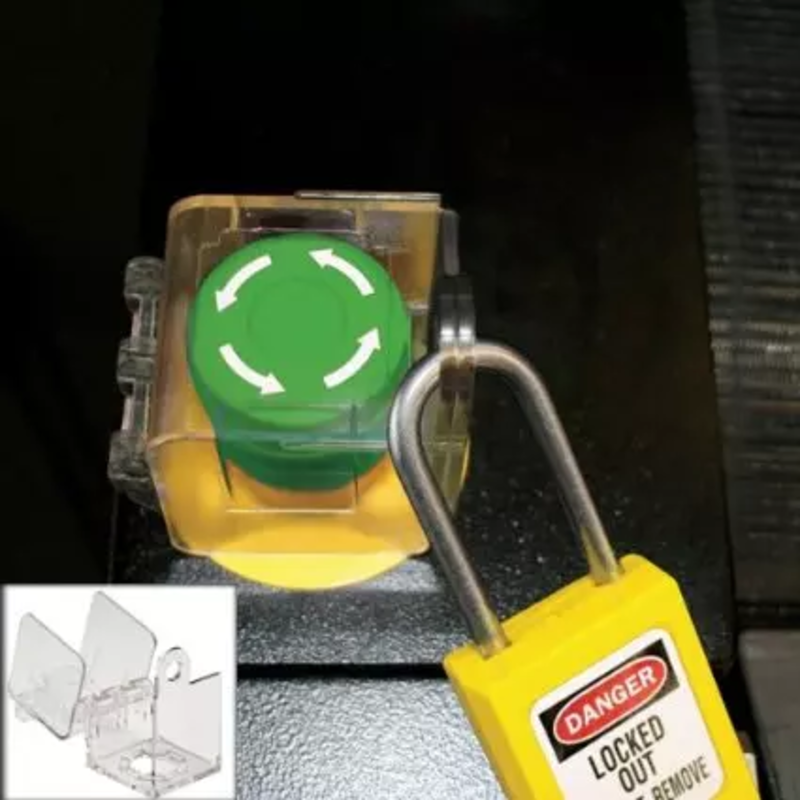
Currently there exists a show in circulation titled, “Hard to Kill”, which profiles some of America’s most deadliest jobs. Hosted by Army Special Forces Veteran Tim Kennedy, he tackles these deadly occupations head on and likely with a great deal of technical and safety support around him. There is no doubt a hefty insurance policy in place and should the worst come to pass the network would likely just cash out and cancel the show. If you are in charge of your organization’s safety compliance then you likely don’t have such an easy out. Your company employees countless individuals whose livelihoods depend on the organization’s existence. Not to mention, for the employee irreparably harmed or worse killed in the line of duty there is no backup plan. Safety compliance officers who skip OSHA corners harm people and destroy brands. Selecting and using suitable lockout devices is one part of an employer's hazardous-energy-control program.
Select Lockout Devices for the Task
You might think that you have a veteran workforce who would never make the fatal mistakes that take a life, but the stats don’t lie. A rookie is capable of making the bonehead mistake out of ignorance, but the veteran often makes it out of complacency. When 20 years of experience lulls them into that state of apathy the worst happens. That’s why OSHA requires lockout devices for a myriad of scenarios.
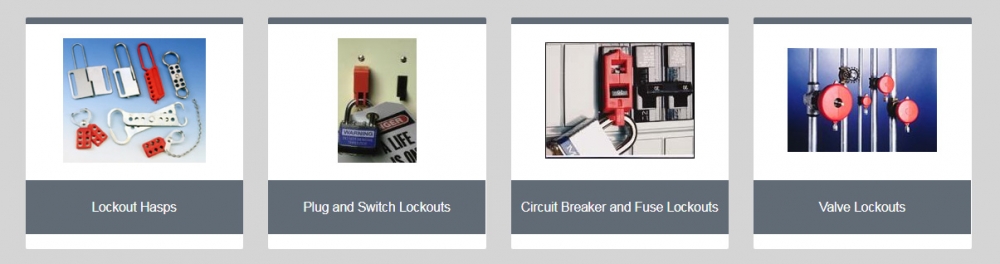
Specifically, OSHA states “Lockout/tagout refers to specific practices to safeguard employees from the unexpected energization or startup of machinery or equipment or the release of hazardous energy during service or maintenance activities.” Namely, when Bob is working on the grinder then let’s not flip the “on” switch shall we. Devices such as these Lockout Hasps all you to use one or more padlocks to prevent all sorts of machines, electrical panels and other sources of energy from being activated. A lock or hasp alone does not establish that all hazardous energy has been isolated. Authorized workers must follow the employer's shutdown, isolation, stored-energy and verification procedures before work begins.
A Lockout for Every Season
Whereas the lockout hasp is pretty versatile and can be used in many settings, you can actually order a custom fitted lockout for the wide range of machinery and equipment in use. One of the most common would be the Circuit Breaker and Fuse Lockouts. There is no reason to risk having someone flip a switch on location when you can just cut the power at the source. Choose the device for the equipment and the applicable electrical-safety and energy-control procedure. After all, it’s great that you are installing the new lighting fixtures like you wife asked but when you curious kid walks through the house flipping switches it can end poorly for you.
Next you have a wide variety of Valve Lockouts that stop knobs and wheels from being turned until operations are safe to resume. With most, you can still use a single padlock or multiple padlocks to maintain control until the employer's required release and removal procedures have been completed. Even within this niche there exists a tool for every job from Gas Cylinder Lockouts to Electrical/Pneumatic Plug Lockouts and more. R
In Conclusion
When it comes to the safety of your employees or the reputation of your brand, it simply isn’t worth it to cut corners and run the risk of a catastrophic event. While it might not be a TV show, making sure your employees are “Hard to Kill” is the responsibility of the organization. Even your best employees have terrible days and your job is to be there for them when they do. Not to mention OSHA will put a big hurt on you and your pocketbook if you don’t tow the line. With all the money you spend on equipment and personnel, the few bucks you spend to invest in their safety is well worth it. Regardless of what season of work or niche you find yourself in there is a solution we can offer you at The Safety Factory. Don’t forget to check out the full range of our products and make your workplace the safest in the industry.
Select lockout/tagout devices under the employer's energy-control procedures. OSHA 29 CFR 1910.147(c)(5) addresses durability, standardization, substantial construction and employee identification. The 50-pound minimum in paragraph (c)(5)(ii)(C)(2) applies to tagout attachments, not a universal tag-body rating. A tag is a warning device and does not provide the physical restraint of a lock.
Recents Posts